Can Smokers Get Dental Implants in Calabasas CA?
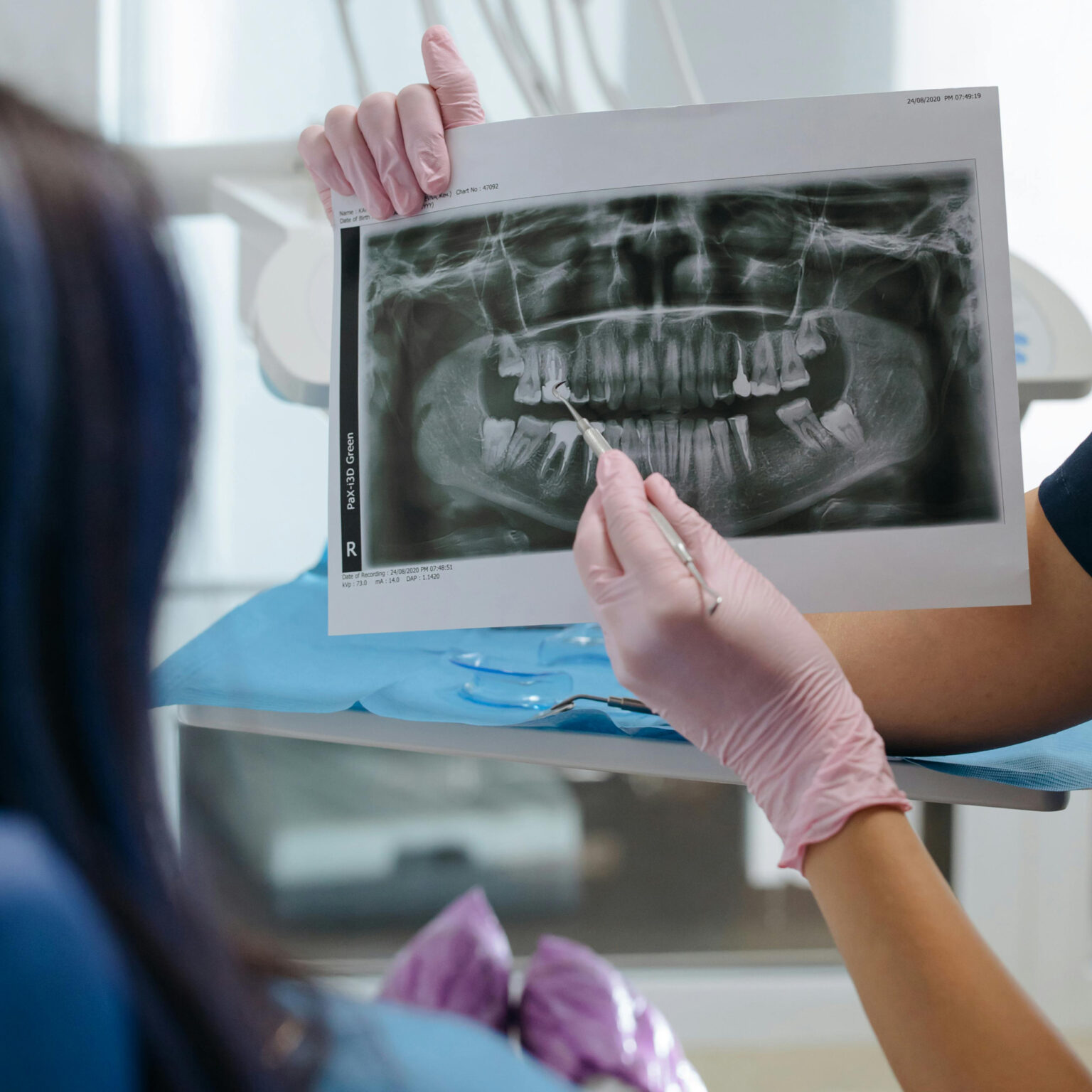
Yes, smokers can get dental implants, but they do not get the same margin for error as non-smokers.
That is the honest answer patients deserve, especially when they are trying to decide whether implants Dental Implants Calabasas CA are worth the time, expense, and recovery. In a place like Calabasas, where many adults want a tooth replacement that looks natural and holds up for years, implants are often the best option available. Smoking does not automatically rule them out. It does, however, raise the risk of complications at nearly every stage, from healing after extraction to long-term bone support around the implant.
This matters because implants are not just cosmetic. They are small titanium or ceramic fixtures placed into the jawbone to replace missing tooth roots. Once they heal and bond with the bone, they support crowns, bridges, or dentures that feel far more stable than removable alternatives. When that bond forms well, patients chew better, speak more comfortably, and avoid some of the bone shrinkage that follows tooth loss. When healing is compromised, the implant may loosen, fail to integrate, or develop infection in the surrounding tissues.
For smokers, the central question is not simply, “Can I get implants?” It is, “What are my odds, what can I do to improve them, and is now the right time?”
Why smoking changes the conversation
Smoking affects the mouth in several ways at once. It reduces blood flow, impairs oxygen delivery to healing tissues, increases inflammation, and alters the body’s immune response. A dental implant depends on healthy healing. The bone has to knit tightly around the implant surface in a process called osseointegration. The gums also need to heal snugly and resist bacterial invasion. Nicotine, heat, and the chemical byproducts of smoking work against all of that.
In day-to-day practice, the pattern is familiar. A smoker may feel fine after surgery, then heal more slowly than expected. The gum tissue can look irritated longer. Bone grafts can be less predictable. The patient may also be more prone to plaque buildup, dry mouth, or chronic gum disease, all of which make long-term implant success harder to maintain.
None of this means every smoker will lose an implant. Some do very well, especially if they smoke lightly, stop around the time of surgery, and stay on top of hygiene. Others run into trouble even when the placement itself goes smoothly. That unpredictability is part of the challenge.
The first issue is not the implant, it is the condition of your mouth
Before any surgeon talks about implant placement, the mouth has to be evaluated as a whole. A missing tooth site may look straightforward from above and still have hidden problems underneath. Years of smoking can leave behind gum inflammation, bone loss, and pockets of infection that have to be treated first.
A proper implant workup usually focuses on bone quality, gum health, bite forces, medical history, and smoking pattern. Someone who smokes a few cigarettes on weekends is in a different category from someone who has smoked a pack a day for twenty years. A patient who recently quit is also different from someone who is trying to quit but still uses tobacco daily. These distinctions matter because risk is not all-or-nothing.
In Calabasas, many implant consultations involve adults who delayed treatment for a while. Sometimes the tooth was removed months or years earlier. Sometimes the patient has been managing with a flipper, a bridge, or just the gap. During that delay, the bone often shrinks. Smoking can accelerate the tissue changes that make later treatment more complex. A site that could have taken an implant after extraction may now require grafting.
That is why a reputable provider offering Dental Implants Calabasas CA will spend time discussing the foundation, not just the final crown.
What the risks actually look like
The phrase “higher risk” is easy to say and not very useful unless it is unpacked. Smokers considering implants usually want to know what can go wrong in real terms.
The most important risk is failed integration. If the implant does not fuse properly with the jawbone, it can become mobile or never achieve enough stability to support a restoration. Sometimes that failure happens early, within the first few months. Sometimes the implant integrates at first and then loses support later.
The second major issue is infection around the implant, often called peri-implant disease. This ranges from mild inflammation in the gum tissue to deeper bone loss around the implant. Smoking makes these conditions more likely and harder to control.
A third concern is delayed healing. After an extraction, graft, sinus lift, or implant placement, smokers often take longer to recover. Swelling may linger. The tissue may appear more fragile. The wound may close more slowly.
Then there is the esthetic side, which patients do not always expect. In the front of the mouth, especially where the smile line is high, smoking can affect soft tissue quality and color. Even if the implant survives, the final appearance may not be as refined if the gum contour is thin or scarred.
Not all smokers carry the same level of risk
This is where nuance matters. Dentistry tends to be more successful when risk is assessed individually rather than reduced to a yes-or-no rule.
A patient who smokes five cigarettes a day and agrees to stop before and after surgery may be a reasonable implant candidate if the rest of the mouth is healthy. A patient with uncontrolled periodontal disease, heavy daily smoking, dry mouth, and inconsistent home care may not be ready, even if they are highly motivated. The implant itself might be possible, but the timing would be poor.
Clinicians also look at where the implant is going. The back upper jaw can be more challenging because the bone is often softer there to begin with. If that same patient smokes heavily, the risk profile climbs. By contrast, a single implant in a dense lower jaw site may be more forgiving.
The number of implants matters too. Replacing one tooth is not the same as rebuilding a full arch. Full-mouth treatment can be transformative for the right patient, but it also magnifies the need for stable healing and disciplined maintenance. For a smoker, that means an even more candid discussion about expectations.
Timing can improve the odds more than many patients realize
One of the most useful conversations in implant dentistry is about timing. Patients often assume the key decision is whether they will quit forever. From a health standpoint, that is ideal. From a treatment standpoint, even temporary smoking cessation around surgery can improve outcomes.
Many surgeons recommend stopping before implant placement and remaining smoke-free during the early healing phase. The exact timeline varies by case and by provider, but the principle is consistent. The tissues need their best chance to recover when the clot is forming, the gum is sealing, and the bone is beginning to attach to the implant surface.
Patients sometimes ask if “just cutting back” helps. Usually, yes, at least compared with heavy smoking, but it is not the same as stopping. The first week after surgery is especially important, and the first several weeks matter as well. Lighting up during that window can interfere with healing precisely when stability is being established.
Vaping and smokeless nicotine products also deserve mention. Some patients switch to them assuming they are harmless during implant recovery. That is not a safe assumption. Nicotine itself can impair blood flow and healing, even without cigarette smoke. Anyone planning implants should be direct with their dental team about every form of nicotine use.
Bone grafting often enters the picture
A lot of smokers need more than an implant placed into existing bone. They need the site rebuilt first.
Bone grafting is common when a tooth has been missing for a long time, when infection destroyed surrounding bone, or when the extraction site collapsed after removal. Smokers can still have successful grafting, but the biology is less favorable. The graft needs blood supply, stability, and healthy tissue coverage. Smoking can compromise each of those.
This does not mean grafting should be avoided. It means the patient should understand that healing may be slower and that the treatment plan may need extra time. Rushing into implant placement before the site is truly ready is a mistake in any patient, and an even bigger one in a smoker.
In practical terms, that can mean several months between extraction, grafting, implant placement, and final restoration. Patients who go in expecting a quick cosmetic fix are often surprised by the timeline. A thoughtful clinician will explain that durability depends on respecting the biology, not forcing the schedule.
What a good evaluation in Calabasas should include
If you are looking into Dental Implants Calabasas CA, the quality of the evaluation matters just as much as the procedure itself. A strong consultation does not feel like a sales pitch. It feels like someone is trying to identify the variables that could make the case succeed or fail.
A thorough workup should include a clinical exam, imaging that can assess bone volume and anatomy, a review of gum health, and a frank discussion of tobacco use. Not a vague “Do you smoke?” but real details. How much. How often. For how long. Have you quit before. Are you willing to pause during treatment. Those answers shape the plan.
The best providers also pay attention to bite habits, nighttime grinding, diabetes control, medications, and previous dental history. A smoker who clenches heavily may overload a new implant. A smoker with untreated gum disease may continue losing bone around natural teeth and implants alike. Good planning ties these factors together.
Cases where implants may need to wait
Some patients hear “not yet” and think it means “never.” Often it simply means the groundwork is not there.
Here are common reasons an implant plan may be postponed:
- Active gum disease with bleeding, pocketing, or infection
- Heavy smoking with no willingness to stop during healing
- Inadequate bone that requires grafting first
- Uncontrolled medical conditions that impair healing
- Poor oral hygiene or a history of inconsistent follow-up
Delaying treatment can be frustrating, but it is often the most responsible choice. Implant dentistry works best when the mouth is stable before surgery begins. Trying to place implants through active inflammation or while a patient is still smoking heavily every day can turn a solvable problem into an expensive failure.
What patients can do to improve success
This is the part many smokers appreciate most, because it shifts the focus from fear to action. Even when risk is elevated, there are concrete ways to improve the odds.
The first is obvious but powerful: stop smoking before surgery and stay off nicotine during healing if at all possible. The second is to treat any gum disease thoroughly before implant placement. The third is to commit to meticulous home care and regular maintenance visits afterward.
That maintenance piece is easy to underestimate. Implants do not decay, but the tissues around them can absolutely become inflamed and lose bone. Smokers who skip cleanings and wait until something hurts tend to do poorly. Smokers who return on schedule, keep plaque low, and have inflammation addressed early often do much better.
One patient I once heard described by a surgeon had smoked for decades and wanted a lower implant to replace a molar. The surgeon would only proceed if he stopped smoking around the procedure and came back for close follow-up. He did exactly that. Healing was slower than ideal, but the implant integrated and remained stable years later. The key was not luck. It was compliance. The flip side is just as real: another patient may insist on treatment, keep smoking through recovery, and then be shocked when the site breaks down. Technique matters, but behavior after surgery matters too.
The financial side deserves honesty
Implants are an investment. In Calabasas, as in much of Southern California, costs can vary based on the surgeon’s training, the need for grafting, sedation, and the type of final restoration. When smoking raises the chance of complications, the financial picture becomes more important, not less.
A failed implant may need removal, additional grafting, more healing time, and replacement later. Those steps cost money and patience. Patients should ask upfront what is included, what happens if integration fails, and whether any retreatment policies exist. Not every practice handles this the same way.
This is one reason some smokers decide to postpone implants while they work on quitting or improving gum health. Waiting can be the wiser financial choice if it significantly improves the likelihood of long-term success.
Are there alternatives if the risk feels too high?
Yes, and the right alternative depends on the tooth, the bite, and the condition of neighboring teeth.
A bridge can replace a missing tooth without surgery, though it may require preparing adjacent teeth. A removable partial denture is less invasive and less expensive, though it is usually less stable and comfortable. In some cases, preserving a compromised natural tooth for a few more years may be reasonable if the patient is not yet a good implant candidate.
These are not second-rate choices by definition. They are tools. For the right patient, at the right moment, they may be better than forcing an implant into unfavorable conditions. Good dentistry is not about pushing one solution. It is about matching the treatment to the Dental Implants Calabasas CA biology and the patient’s habits.
Questions worth asking at your consultation
Patients often leave implant consultations remembering the broad strokes but missing the details that actually drive outcomes. A few well-aimed questions can make the decision much clearer.
Ask the surgeon how your smoking level affects your specific case, not smokers in general. Ask whether you need grafting, how long healing is expected to take, and what would change if you stop smoking now. Ask how often you will need maintenance after the final crown is delivered. Ask what signs of trouble should prompt a call during recovery.
Most importantly, ask whether the provider would recommend the same treatment plan for a member of their own family with your same smoking history. That question tends to cut through rehearsed answers very quickly.
The bottom line for smokers considering implants in Calabasas
Smokers can get dental implants, and many do. But smoking makes implant treatment less predictable, more technique-sensitive, and more dependent on careful follow-through. The farther the patient moves away from active tobacco use, especially during surgery and healing, the better the outlook tends to be.
If you are exploring Dental Implants Calabasas CA, the goal should not be to find someone willing to place an implant no matter what. The goal should be to find a clinician who evaluates your risk honestly, explains the trade-offs clearly, and helps you improve the odds before treatment begins.
Sometimes that means moving forward now with a carefully managed plan. Sometimes it means pausing for periodontal therapy, smoking cessation, or grafting first. Either path can be the right one. What matters is that the decision is grounded in biology, not optimism alone.
A strong implant is built long before the crown goes on. For smokers, that preparation is not a side note. It is the foundation.
Oaks Dental
5000 Parkway Calabasas, Suite 308
Calabasas, CA 91302, United States
Phone: +1 (818) 412-8349
FAQ About Dental Implants Calabasas CA
How much does a dental implant cost in California?
Costs vary with the number of teeth replaced, restoration type, imaging, and any extractions or bone grafting. Request an itemized estimate after an examination; a single advertised price may not include every treatment stage.
Can people with autoimmune disease get dental implants?
Some people may qualify, but the condition, medications, oral health, and healing risks require individual assessment. Share your medical history with your dentist, who may coordinate with your treating physician.
Can you have dental implants if you have osteopenia?
Osteopenia does not by itself establish whether implants are suitable. Your dentist must evaluate jawbone support and review bone-related medications and other risks before recommending treatment.