Dental Implants Calabasas CA for Renewed Self-Esteem
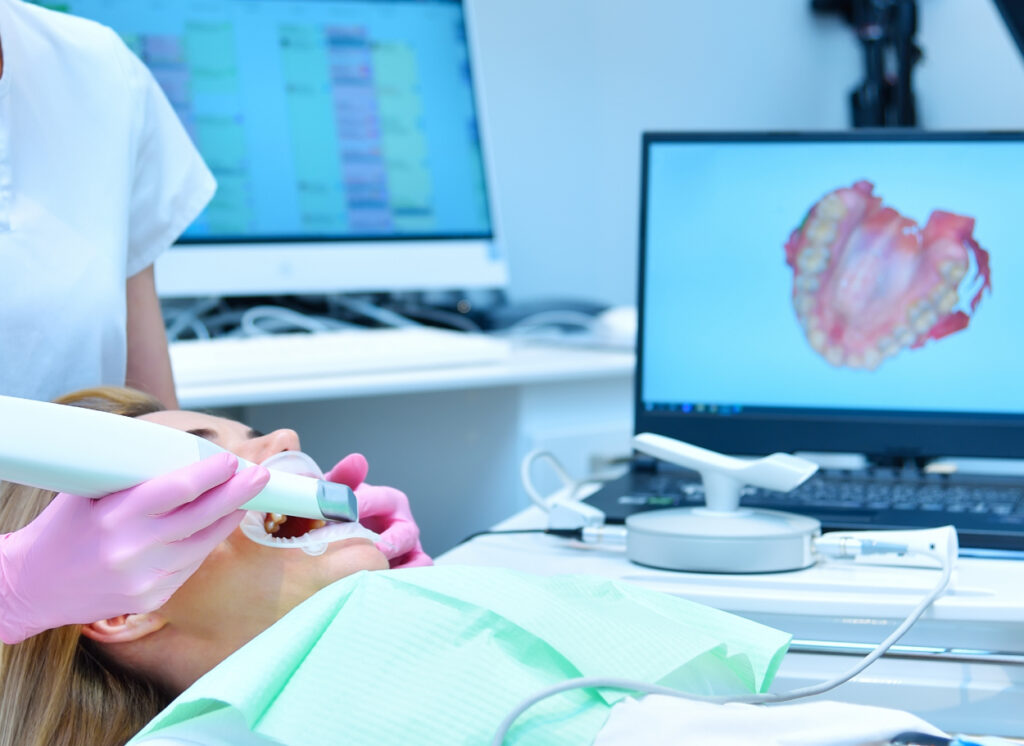
A missing tooth changes more than a smile. It alters the way a person speaks, the foods they choose, the way they angle their face in photos, and sometimes even how openly they laugh. In practice, that emotional side of tooth loss is easy to underestimate until you sit across from someone who has spent months, or years, trying to hide it. People often arrive asking about function, but what they are really seeking is relief. They want to stop thinking about the gap every time they walk into a meeting, go on a date, or sit down to dinner with friends.
That is one reason dental implants have become such an important treatment option. For many patients, implants do more than replace teeth. They restore predictability. They help people eat without hesitation, speak without feeling self-conscious, and smile without mentally checking whether anyone can see the missing space. For patients considering Dental Implants Calabasas CA, the conversation usually starts with appearance, but the deeper benefit is confidence that feels natural rather than forced.
Why confidence often falls apart after tooth loss
Tooth loss rarely stays confined to one area of life. A front tooth may create obvious cosmetic concerns, but even a missing back tooth can lead to subtle, frustrating changes. Some people begin chewing on one side only. Others avoid crunchy foods, steak, apples, or nuts because chewing no longer feels stable. Speech may shift slightly, especially with missing front teeth or ill-fitting temporary replacements. These are small adjustments at first, but they accumulate.
There is also the social burden. A person who once smiled freely may begin to cover their mouth. They may stop showing teeth in photos. They may decline invitations that involve meals, not because of pain, but because they are tired of managing the situation. That pattern is common enough that many dentists now discuss the psychological side of tooth replacement as openly as the clinical side.
Self-esteem tends to suffer when daily life requires constant compensation. The problem is not vanity. It is the fatigue of always adapting.
What makes a dental implant different
A dental implant is designed to replace the root of a missing tooth, not just the visible crown. A small titanium post, or in some cases another biocompatible material, is placed in the jawbone where the natural root used to be. Over time, the bone integrates with the implant, creating a stable foundation. Once healing is complete, an abutment and custom crown are attached, giving the appearance and function of a natural tooth.
That root-level replacement matters. Traditional bridges rely on adjacent teeth for support, which can be an excellent solution in some cases, but it requires preparation of neighboring healthy teeth. Removable partial dentures can also serve a role, particularly when budget or medical factors limit other options, yet they can shift, collect debris, and feel less secure. An implant stands on its own. It is closer to the architecture of a natural tooth, and patients usually notice that distinction right away when they eat or speak.
For someone seeking Dental Implants Calabasas CA, the appeal is often straightforward. An implant can look highly natural, feel stable, and help preserve the jawbone in ways that removable options cannot.
The connection between implants and facial appearance
One of the less discussed aspects of tooth loss is what happens below the gumline. When a tooth is lost, the jawbone in that area no longer receives the same stimulation it once did during chewing. Over time, the bone can shrink. In isolated cases, the change may be minor at first. When multiple teeth are missing, or when many years have passed, the effect can become more noticeable in the shape of the smile and even the lower face.
Patients are often surprised to learn that replacing the visible part of a tooth is only half the story. Preserving the underlying bone helps support the gum contours and facial structure that give a smile its natural proportions. While no treatment stops aging, implants can reduce one source of collapse that follows tooth loss.
This is part of why renewed self-esteem after implant treatment often feels deeper than a cosmetic fix. The result is not simply a white crown in an empty space. It is a more complete restoration of form and function.
Who tends to benefit most
The Oaks Dental Dental Implants Calabasas CA ideal implant candidate is not defined by age alone. I have seen healthy adults in their thirties and active retirees in their seventies or eighties do very well with implant treatment. What matters more is the condition of the gums, the amount and quality of bone, overall health status, and the patient’s commitment to oral hygiene and follow-up care.
People who benefit most often share one of several situations. Some have a single missing tooth and want the most conservative long-term replacement. Others are frustrated with a loose denture that moves during meals or speech. Some have a failing bridge and want to explore an option that does not depend on adjacent teeth. There are also patients who have lived with a missing tooth for years and finally decide they are tired of planning their smile around it.
Certain health conditions require careful coordination rather than immediate exclusion. Diabetes, smoking, a history of gum disease, or medications that affect bone healing can all influence treatment planning. These factors do not always rule out implants, but they do change the discussion. Good outcomes depend on honesty at the consultation stage and realistic planning from the beginning.
What the process actually looks like
Many patients expect dental implant treatment to be either far more dramatic or far more immediate than it usually is. The real process sits somewhere in between. It is surgical, yes, but in most straightforward cases it is also routine and controlled. Local anesthesia is typically sufficient, though sedation options may be available for anxious patients. Discomfort after placement is often described as milder than expected, especially when compared with the anticipation beforehand.
The timeline varies. After imaging and treatment planning, the implant is placed into the jawbone. A healing period follows while the implant integrates with the bone. Depending on the site, bone quality, and whether grafting was needed, this may take a few months. Once healing is confirmed, the final restoration is made and attached. In select cases, a temporary tooth may be provided earlier, particularly in visible areas, but not every case supports immediate loading. This is where clinical judgment matters. Pushing too fast for cosmetic convenience can jeopardize long-term stability.
That can be a difficult message for eager patients to hear. If someone has been self-conscious about a missing front tooth, waiting several months feels long. Yet careful sequencing is often what protects the final result. A natural-looking implant crown depends on healthy bone and gum contours, not just a fast timeline.
Why planning matters more than people realize
Excellent implant dentistry starts before the implant is ever placed. The quality of the final result depends on diagnosis, imaging, bite analysis, soft tissue assessment, and restorative planning. Cone beam imaging is commonly used to evaluate bone dimensions and identify anatomical structures such as nerves and sinus spaces. The implant position must support not only osseointegration but also the emergence profile of the final crown, which affects how natural it looks at the gumline.
This is one reason patients should look beyond price alone. A low quote may not reflect the complexity of the case, the need for grafting, the quality of materials, the experience of the team, or whether the restorative plan has been carefully coordinated. Implant treatment is not a commodity. Two implants can carry the same label and produce very different outcomes depending on planning and execution.
When people search for Dental Implants Calabasas CA, they often compare offices by convenience, online reviews, and cost. Those are understandable filters, but they should be balanced with questions about diagnostics, case selection, expected maintenance, and who will handle each stage of the process.
Bone grafting is not a setback
Bone grafting worries many patients because it sounds like bad news. In reality, it is often a practical step that improves the odds of long-term success. If a tooth has been missing for a while, or if infection damaged the socket before extraction, there may not be enough bone width or height for ideal implant placement. Grafting helps rebuild that foundation.
Sometimes grafting happens at the time of extraction to preserve the site. In other cases, it is done before implant placement. For upper back teeth, a sinus lift may be recommended when the sinus floor sits too close to the proposed implant site. None of this automatically means the case is unusually risky. It often means the clinician is being thorough rather than trying to force an implant into a compromised area.
Patients usually appreciate this once it is explained in plain language. Strong foundations are not exciting, but they are what make comfortable chewing and natural esthetics possible years later.
The emotional shift after treatment
The most striking changes after implant therapy are often behavioral. Patients begin ordering foods they had quietly given up. They stop positioning themselves strategically in group photos. They talk with their hands less because they are no longer covering their mouth. Family members notice before the patient says anything. The smile looks easier.
One patient told me that the best part was not the mirror, though she loved that too. It was forgetting. She no longer thought about her tooth every time she entered a room. That is an important distinction. Successful treatment often becomes invisible to the patient in the best possible way. The restoration blends into everyday life until the old self-consciousness starts to feel distant.
Renewed self-esteem rarely arrives as a dramatic overnight transformation. More often, it returns in ordinary moments. A restaurant meal without worry. A work presentation without lip tension. A spontaneous laugh that is not interrupted by self-monitoring.
Single tooth implants versus full-arch solutions
Not every patient needs the same type of implant treatment. A single missing tooth can often be replaced with one implant and one custom crown. Several missing teeth in a row may sometimes be restored with multiple implants supporting a bridge. Patients with extensive tooth loss may be candidates for implant-retained dentures or full-arch fixed restorations.
The emotional goals may sound similar across these categories, but the planning is quite different. A single front tooth demands meticulous esthetics, especially if the patient has a high smile line. A lower implant-retained denture may focus more heavily on stability and comfort during chewing and speech. Full-arch therapy can be life-changing for someone who has struggled with failing teeth or loose dentures for years, but it also requires serious planning, healing, and maintenance.
This is where personalized care matters. A treatment plan should fit the patient’s anatomy, habits, budget, and expectations, not a marketing package.
Cost, value, and the long view
Implants are an investment, and patients deserve transparent discussions about cost. The full fee may include consultation, imaging, extraction if needed, grafting, implant placement, healing components, abutment, and final crown. In more complex cases, the total can vary significantly. Anyone evaluating proposals should ask what is included and whether future steps are quoted separately.
That said, value is not captured by the initial number alone. A cheaper option that compromises fit, esthetics, or longevity may become more expensive over time. Likewise, a removable solution with lower upfront cost may still be the right decision for some people depending on medical factors, anatomy, or budget constraints. There is no universal best choice detached from real-life limits.
Professional guidance should include these trade-offs. Patients are best served when the discussion is candid: what works well, what requires maintenance, what may wear out sooner, and what level of stability they can realistically expect from each option.
Life with implants after healing
Dental implants are durable, but they are not maintenance-free. The crown cannot get a cavity, but the surrounding tissues can still develop inflammation if plaque accumulates. That condition, often called peri-implant mucositis in early stages, can progress if neglected. Daily care matters. So do regular professional cleanings and exams.
Most patients find home care manageable once they understand the technique. Brushing thoroughly, cleaning between teeth or around implant-supported restorations, and attending maintenance visits are the essentials. Clenching and grinding may also affect long-term wear, which is why a night guard is sometimes recommended.
The good news is that well-maintained implants can serve patients for many years. No dental treatment comes with a lifetime guarantee, but the long-term track record of implants is strong when the case is well selected and the patient remains engaged in maintenance.
Questions worth asking at a consultation
A strong consultation is less about sales language and more about clarity. A patient should leave with a realistic picture of what can be achieved, what the timeline looks like, and what variables could affect the plan. Good conversations usually cover diagnosis, bone condition, gum health, restorative options, costs, healing phases, and how esthetic expectations align with anatomy.
These questions tend to separate superficial consultations from useful ones:
- Am I a good implant candidate based on my bone, gums, and medical history?
- Will I need grafting or other preparatory treatment before placement?
- Who will place the implant and who will make the final restoration?
- What are the realistic esthetic and functional expectations in my case?
- What maintenance will be required after treatment is complete?
Clear answers build trust. Vague promises usually do the opposite.
Why local experience can matter
There is value in receiving implant care from a team that understands not just the procedure, but the patient population it serves. In a community such as Calabasas, many patients are balancing demanding work schedules, visible social lives, and strong expectations for natural esthetics. That does not make the biology different, but it does shape what matters in treatment planning. Appointments must be efficient. Communication must be direct. Cosmetic details cannot be an afterthought.
Patients looking for Dental Implants Calabasas CA often want a result that is durable and polished without appearing artificial. The best outcomes come from teams that respect both sides of that request. Stability matters, but so do gum symmetry, crown shape, shade matching, and how the restoration sits within the patient’s smile. When these elements are handled well, people do not notice the implant. They notice that the person looks comfortable again.
When waiting is the wrong move
There is a common temptation to postpone tooth replacement, especially if the missing tooth is not visible. Sometimes that delay is harmless for a short period. Sometimes it creates additional problems. Adjacent teeth may drift. The opposing tooth may begin to over-erupt. Bone volume can diminish, making future treatment more complicated and sometimes more expensive.
Not every missing tooth must be replaced immediately, but waiting should be a reasoned choice rather than passive avoidance. A consultation can identify whether time is likely to change the available options. In some cases, preserving the site early makes future treatment simpler and more predictable.
This is especially important for patients who know they want implants eventually but keep putting off the first appointment. Early information is useful even if the final decision comes later.
A restored smile should feel like your own
The best dental work rarely announces itself. It does not look bulky, too white, or strangely perfect. It fits the face, the bite, and the personality of the patient. That is true of crowns in general, and especially true of implants. A successful implant restoration should let a person return to themselves, not introduce a smile that feels foreign.
That is why self-esteem improves so profoundly for many implant patients. The goal is not to create a new identity. It is to remove a distraction that has been stealing comfort, confidence, and ease from everyday life. Once that burden lifts, people often reconnect with habits they did not realize they had changed.
For those exploring Dental Implants Calabasas CA, that may be the most meaningful promise of all. Not perfection, not instant transformation, but the chance to eat, speak, smile, and move through the day without carrying the quiet weight of a missing tooth. When treatment is planned carefully and performed well, the result is more than replacement. It is relief, stability, and the return of self-assurance that feels entirely genuine.
Oaks Dental
5000 Parkway Calabasas, Suite 308
Calabasas, CA 91302, United States
Phone: +1 (818) 412-8349
FAQ About Dental Implants Calabasas CA
How much does a dental implant cost in California?
Costs vary with the number of teeth replaced, restoration type, imaging, and any extractions or bone grafting. Request an itemized estimate after an examination; a single advertised price may not include every treatment stage.
Can people with autoimmune disease get dental implants?
Some people may qualify, but the condition, medications, oral health, and healing risks require individual assessment. Share your medical history with your dentist, who may coordinate with your treating physician.
Can you have dental implants if you have osteopenia?
Osteopenia does not by itself establish whether implants are suitable. Your dentist must evaluate jawbone support and review bone-related medications and other risks before recommending treatment.