Dental Implants for Accident or Injury Recovery
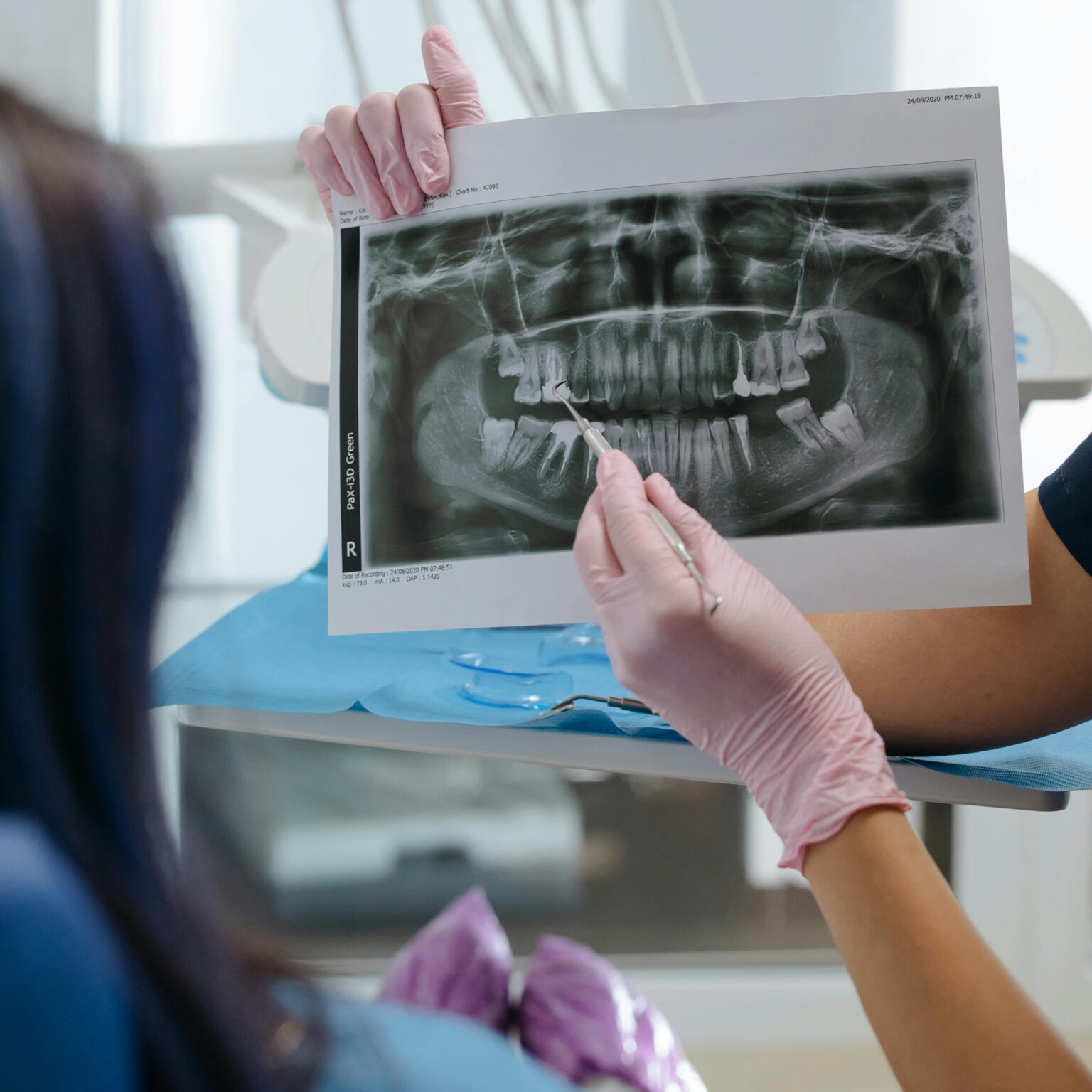
A dental injury has a way of turning an ordinary day into a long, expensive, emotionally draining chapter. One fall off a bike, one elbow during a weekend basketball game, one car accident, one worksite impact, and a person can go from never thinking about their front teeth to planning surgery, rearranging meals, and releading how to smile without feeling self-conscious.
When teeth are damaged or knocked out by trauma, the recovery conversation is different from routine cosmetic dentistry. The goal is not simply to improve appearance. It is to restore structure, bite function, speech, comfort, and a sense of normalcy. That is where Dental Implants often enter the picture. For many injury patients, they offer the closest replacement to a natural tooth root and crown, especially when the original tooth cannot be saved.
That said, accident-related cases are rarely straightforward. Trauma can affect far more than the visible part of a tooth. It may involve the gum tissue, supporting bone, neighboring teeth, nerves, jaw alignment, and the lip or cheek. A person may also have stitches, swelling, fractures, or a history of concussion and other injuries competing for attention. In real practice, timing matters as much as technology. The best implant result often comes not from rushing to place a fixture immediately, but from sequencing treatment in a way that protects healing and preserves long-term stability.
What changes after a traumatic dental injury
A tooth lost to decay follows one pattern. A tooth lost in an accident follows another. Trauma tends to be messier because force travels. A patient might come in with one visibly broken front tooth, then imaging shows a fractured root in the neighboring tooth, a crack in the socket wall, and bruising to the bone that will affect the plan for months.
That matters because Dental Implants depend on healthy bone and stable gum architecture. The implant itself is a titanium or ceramic fixture placed in the jawbone to act as an artificial root. For it to integrate properly, the site needs adequate volume, enough blood supply, and the right biologic conditions. After trauma, those conditions may be compromised.
A common example is a front tooth avulsed during sports. The tooth is gone, but the bigger issue may be that part of the thin facial bone plate went with it. On the day of injury, the space can look manageable. Six or eight weeks later, the ridge may collapse enough that an implant cannot be placed ideally without grafting. This is one reason careful early evaluation matters, even if definitive treatment will happen later.
Another difference is emotional urgency. Patients who lose a visible tooth often want an immediate replacement, understandably. They may have work meetings, a wedding, graduation photos, or simply the desire to go outside without covering their mouth. Good clinicians take that urgency seriously. They also have to balance it against biology. Temporary solutions can usually restore appearance while the tissues settle, which is often safer than forcing a permanent step too soon.
When a Dental Implant is the right option
Dental Implants are not the answer to every traumatic injury, but they are often the most durable replacement when a tooth is missing or beyond repair. A natural tooth should be saved when it can be predictably restored. If a root fracture extends unfavorably, if the socket is unsalvageable, or if the tooth has already been lost, an implant becomes part of the conversation.
For a single missing tooth, especially in the front, implants offer an important advantage over traditional bridges. A bridge typically requires reshaping the teeth on either side of the gap. In an accident patient, those neighboring teeth may already be stressed or mildly injured. Preserving them can be a major benefit. The implant stands independently, which can protect otherwise healthy adjacent teeth from unnecessary drilling.
For back teeth lost in an accident, the functional benefit is just as important. Molars bear heavy chewing forces. Leaving the space open can cause drifting, bite changes, and inefficient chewing over time. If a patient is young and otherwise healthy, replacing that tooth with an implant often makes long-term sense.
Still, candidacy depends on more than the missing tooth itself. The clinician has to assess age, bone availability, smoking status, diabetes control, oral hygiene, the pattern of the bite, and whether the person clenches or grinds. In trauma cases, it is also necessary to ask a different set of questions. Was there a jaw fracture? Is there scarring in the gum tissue? Has the area had previous surgery? Did the patient lose multiple teeth in the same impact? A textbook implant plan can fail if those details are ignored.
The first phase is often not the implant
This surprises many patients. They come in asking when the implant can be placed, and the honest answer may be, not yet.
The immediate priorities after injury usually include controlling pain, cleaning the wound, stabilizing any mobile teeth, managing infection risk, taking imaging, and determining whether the tooth can be saved. If there are facial lacerations or fractures, those concerns may take precedence. Even when an implant is likely, the site may need time for inflammation to settle and the extent of damage to become clear.
There are situations where immediate implant placement, meaning placement right after tooth removal or loss, works well. A carefully selected front tooth with intact socket walls, minimal contamination, and enough primary stability can be a good candidate. Immediate placement may reduce treatment time and help preserve tissue contours. But the word carefully matters. Accident sites are not always clean and contained. Crushed bone, missing walls, or severe soft tissue trauma can make immediate placement a poor bet.
In those cases, the smarter route is often staged treatment. That may involve bone grafting first, then several months of healing, then implant placement, then another healing period before the final crown. Patients sometimes hear that and worry it means something went wrong. Usually it means the team is protecting the final result.
Why bone loss becomes such a central issue
Once a tooth is lost, the bone that supported it begins to remodel. This happens in routine extractions and is often accelerated after trauma. In the front upper jaw, where the bone is naturally thinner, even a small amount of collapse can affect appearance dramatically. A millimeter or two may not sound like much, but in the smile zone it can change gum symmetry, papilla fill, and the way light reflects off the final crown.
Bone grafting is common in injury recovery for this reason. It is not a sign of failure. It is part of building the foundation. A graft may be placed at the time of extraction or after healing, depending on the case. The purpose is to preserve or rebuild the ridge so the implant can be positioned in a way that looks and functions like a natural tooth.
Patients often ask whether grafting means a more difficult recovery. Sometimes the answer is only slightly. A small ridge preservation graft may add very little to discomfort. A larger reconstruction after a major accident can be more involved, especially if block grafting or advanced regenerative techniques are needed. The range is wide. One single-tooth sports injury may be relatively straightforward. A motorcycle crash with loss of several teeth and segments of bone is a different level of rehabilitation entirely.
Temporary teeth matter more than people expect
The period between injury and final restoration can be socially and psychologically harder than the surgery itself. People notice missing front teeth every time they speak, eat, laugh, or look in a mirror. A good temporary plan can make recovery feel manageable.
Depending on the injury and the treatment stage, a patient might wear a removable flipper, a temporary bonded tooth, or a provisional crown attached to an implant if conditions allow. Each has trade-offs. A removable option is often simple and affordable, but it can feel bulky and may put pressure on healing tissue if poorly adjusted. A bonded temporary usually feels more natural, though it must be designed to avoid overloading the area. An implant-supported temporary can shape the gums beautifully in the right case, but not every site is ready for it.
This is one area where practical lifestyle advice matters. Patients should know what foods to avoid, how to remove or clean the temporary, and what kind of movement is unacceptable. A surprising number of setbacks happen not because surgery failed, but because a healing site was stressed by crusty bread, chewing ice, or using front teeth to bite into an apple too soon.
The treatment timeline, in real terms
People naturally want a calendar. They ask, “How long until this is over?” The answer depends on the injury pattern, but a useful framing is that simple cases may take several months and complex trauma can stretch to a year or more.
A straightforward single-tooth implant after a minor accident might proceed with extraction, site preservation, healing for a few months, implant placement, integration for another few months, then the final crown. If immediate placement is possible, that may shorten things. If bone or soft tissue reconstruction is extensive, it lengthens things.
A realistic sequence often looks like this:
- Emergency care and imaging to assess the tooth, bone, gums, and any related facial injury.
- Tooth removal or stabilization, with grafting if needed to preserve the site.
- Healing time, often several weeks to several months, depending on damage.
- Implant placement, followed by osseointegration, commonly around three to six months.
- Final restoration, including the custom abutment and crown, once the tissues are stable.
That timeline can feel long, but experienced clinicians know that rushing the visible finish often creates invisible problems. A crown placed before tissues settle may look acceptable at delivery and disappointing a year later when the gum margin recedes or asymmetry becomes obvious.
Front tooth injuries are their own category
Replacing a front tooth after trauma is among the most demanding tasks in dentistry. Patients understandably focus on whether the new tooth will “look real,” but the real challenge lies in the surrounding structures. The contour of the gum, the tiny peaks of tissue between teeth, the position of the lip at rest and in a smile, and the color match under different lighting conditions all matter.
A technically integrated implant can still be an esthetic disappointment if the implant is placed a little too far facially, a little too high, or in a site with inadequate tissue thickness. Trauma cases increase that risk because the original architecture may already be distorted.
This is where planning earns its keep. Good records, three-dimensional imaging, diagnostic mockups, and careful coordination between surgeon and restorative dentist can make a major difference. Sometimes an orthodontist also becomes part of the team, especially if adjacent teeth shifted after the accident or if space management is needed before the implant can be restored properly.
One practical truth deserves mention. The final crown may need adjustments over time, especially in younger adults whose gum levels and neighboring teeth continue to evolve. That does not mean the implant failed. It means the restoration is part of a living mouth, not a fixed machine.
Younger patients need special caution
Teenagers and very young adults are a special group in injury recovery. They are also the group most likely to experience sports and activity-related dental trauma. The challenge is that implants do not erupt or adapt the way natural teeth do. If an implant is placed before facial growth is complete, it can end up looking submerged or out of position relative to the adjacent teeth years later.
For that reason, clinicians are careful about placing implants in growing patients. A temporary solution may be used for quite a while before an implant becomes appropriate. That waiting period can be frustrating for families, especially after a dramatic accident, but it is often the better long-term decision.
This also explains why treatment plans sometimes change between the emergency phase and the definitive phase. What looked like the fastest solution at age sixteen may not be the most stable solution at nineteen or twenty-one.
Risks, limitations, and the less glamorous realities
Dental Implants have a strong track record, but they are not magic, and accident cases carry variables that routine cases may not. The risks include failure to integrate, infection, esthetic compromise, nerve injury in certain areas, sinus issues in the upper back jaw, and mechanical complications such as screw loosening or Dental Implants crown chipping. Trauma can also leave scarred or deficient soft tissue that limits how ideal the final result can be.
Patients should also understand the maintenance side. An implant is not immune to neglect. It cannot decay, but the surrounding tissues can become inflamed. Poor cleaning, smoking, uncontrolled diabetes, and heavy grinding all increase the chance of complications. A beautifully restored accident site can deteriorate if the patient disappears after treatment and returns only when something feels loose.
There is also the issue of expectations. A final implant crown can look excellent, often excellent enough that other people never notice the difference. But “identical to the original untouched tooth” is not always realistic, especially after severe trauma. The best outcomes come when the patient understands both what modern dentistry can accomplish and what biology may limit.
Questions worth asking before treatment begins
Patients often feel overwhelmed after an injury, and that makes it harder to know what to ask. A good consultation should leave them with a clear picture of sequence, cost, risks, and alternatives. The most useful questions are usually the practical ones:
- Is my tooth actually saveable, or is replacement the better long-term option?
- Can the implant be placed immediately, or is staged treatment safer in my case?
- Will I need bone grafting or gum grafting to support the final result?
- What will I wear as a temporary tooth while I heal?
- What could compromise the outcome, including habits, medical issues, or bite forces?
Those conversations can prevent a lot of disappointment later. They also help distinguish Dental Implants between a provider who is simply offering an implant and one who is planning a trauma reconstruction thoughtfully.
Cost tends to reflect complexity, not just the implant itself
One reason patients are caught off guard is that they assume the “implant” is a single item. In reality, accident recovery may include emergency exams, three-dimensional scans, extraction or surgical cleanup, grafting, the implant fixture, healing components, temporaries, abutments, final crowns, and follow-up imaging. In more complex cases, there may be periodontal or oral surgery procedures to rebuild tissue contours.
That does not mean every case is prohibitively expensive, but it does mean estimates should be read carefully. A treatment quote for a straightforward implant in a routine extraction site may not apply to an accident case with missing bone and soft tissue damage. Insurance adds another layer. Medical insurance may cover parts of trauma care, while dental benefits may apply to restorative phases. The overlap is not always intuitive, and patients often benefit from asking the office to explain what is likely to fall under each type of coverage.
Recovery is physical, but it is also personal
After an accident, patients are often dealing with more than dentistry. They may feel embarrassed, shaken, angry, or unusually self-aware in social settings. A visible dental injury can make a person withdraw in ways others do not immediately understand. That emotional side deserves acknowledgment because it shapes treatment decisions more than many clinicians admit.
A middle-aged professional who presents for a fractured front tooth after a fall may be less worried about surgery than about speaking clearly at work next week. A college athlete may focus on returning to training without risking the site. A parent of a teenager may be balancing esthetics, long-term growth concerns, and insurance realities all at once. Good implant planning after injury takes those human details into account.
The best recoveries usually share a few traits. The injury is documented early. The site is evaluated thoroughly, ideally with appropriate imaging. The team explains what must happen now, what should happen later, and why. Temporary appearance is managed thoughtfully. And the final implant is placed only when the tissues are ready, not when the calendar feels emotionally convenient.
Dental Implants can be a remarkable tool in accident or injury recovery. They can restore chewing, stabilize the bite, preserve neighboring teeth, and give patients their confidence back after a genuinely difficult experience. But the implant is only one piece of the process. Success depends on timing, tissue quality, planning, and the discipline to respect healing even when everyone wants the ordeal to be over.
For patients facing this decision, that is the most useful perspective to carry forward. Do not judge the plan solely by how fast the tooth can be replaced. Judge it by whether the result is likely to remain healthy, functional, and natural-looking years after the accident has faded into memory.
Oaks Dental
5000 Parkway Calabasas Suite 308
Calabasas, CA 91302, United States
+1 818-431-2000
FAQ About Dental Implants
What is the downside of a dental implant?
Implants require surgery and a healing period that can last several months. Possible complications include infection, nerve or sinus injury, damage to nearby teeth and failure to bond with bone. Your dentist should assess your health, bone support and alternatives before recommending treatment.
What do dental implants typically cost?
There is no single price for every implant case. The number of teeth replaced, implant components, final restoration and any grafting or extractions affect the total. Request a written estimate covering every stage and confirm insurance benefits and out-of-pocket costs with the practice.
How long do tooth implants last?
An implant can provide long-term support and may last a lifetime with good oral hygiene and regular dental care, but this is not guaranteed. The crown or other restoration may need replacement sooner. Smoking, gum disease and some health conditions can reduce implant success.