Invisalign Calabasas CA FAQs Every Patient Should Read
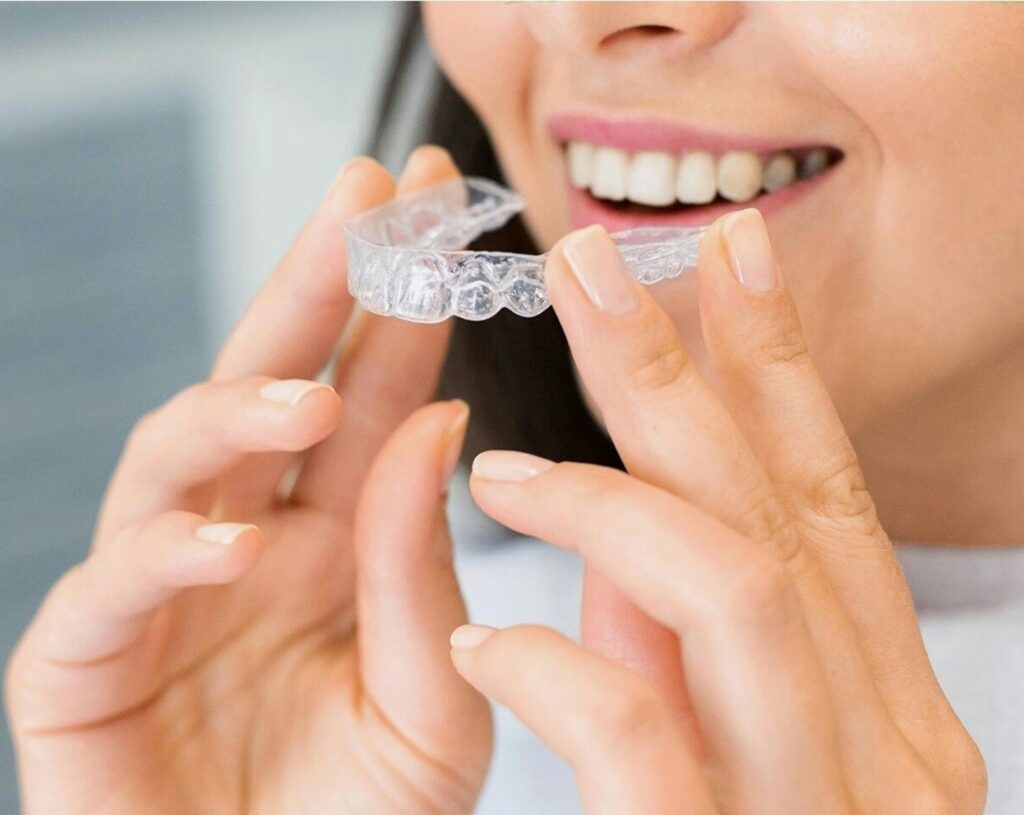
Clear aligners look simple from the outside. You wear trays, your teeth move, and a few months later your smile looks better. In practice, Invisalign treatment involves careful planning, patient habits, bite mechanics, and a realistic understanding of what aligners can and cannot do. That is why people searching for Invisalign Calabasas CA often have the same set of questions, even if their goals are very different.
Some patients want minor cosmetic refinement before a wedding or a major career event. Others are dealing with crowding that has bothered them for years. Some had braces as teenagers and watched their teeth shift back in adulthood. A surprising number are less worried about straightness than they are about comfort, speech, gum health, or whether treatment will fit around work, school pickups, and social obligations.
The right answers are rarely one size fits all. Age, enamel condition, existing dental work, gum health, bite pattern, and consistency with wear all matter. The FAQs below cover the issues that tend to shape real treatment decisions, not just the easy marketing talking points.
What exactly is Invisalign, and how is it different from braces?
Invisalign uses a series of custom clear aligners to move teeth gradually. Each set is designed to create small, controlled changes, and you switch to the next set on a schedule your dentist or orthodontic provider recommends. The aligners are removable, which is one of their biggest advantages. You can take them out to eat, brush, floss, and attend important events if needed.
Traditional braces use brackets and wires fixed to the teeth. Because they stay in place full time, braces remove a major compliance variable. Teeth keep moving whether the patient feels motivated that day or not. With aligners, success depends heavily on wearing them as instructed. That is usually around 20 to 22 hours per day, though your provider will tell you what applies in your case.
The other major difference is control. Braces can be more efficient for certain complex tooth movements, particularly when severe rotations, significant vertical changes, or complicated bite corrections are involved. Invisalign has come a long way, and many cases that once required braces can now be managed with aligners, but not every case is equally suited to them. The best providers say that plainly during the consultation.
Who is a good candidate for Invisalign?
A good candidate is not just someone who wants straighter teeth. A good candidate is someone whose tooth movement goals match what aligners can achieve predictably, and who is willing to follow through day after day.
Mild to moderate crowding or spacing often responds well. Relapse after previous braces is also a common reason adults pursue treatment. If you wore retainers inconsistently in your twenties and now notice lower front teeth overlapping or an upper tooth turning, aligners may be a clean solution. Many patients in professional settings also prefer the appearance of clear trays over brackets.
That said, good candidacy also depends on oral health. If gums are inflamed, if there is untreated decay, or if there are loose teeth, those issues usually need attention first. Teeth should not be moved through an unhealthy foundation. Patients with dental implants, bridges, crowns, or significant wear can still be candidates, but treatment planning becomes more nuanced. Aligners move natural teeth, not implants, so any restoration that locks multiple teeth together may affect what is possible.
Teenagers can also do well with Invisalign, but only if they are mature enough to wear the trays consistently. Adults often assume teens love the cosmetic discretion of clear aligners, which is true, but discretion does not move teeth. Compliance does.
How long does Invisalign treatment usually take?
This is one of the first questions patients ask, and the honest answer is that the range is wide. A very minor alignment case may take a few months. More typical cases often land somewhere around 12 to 18 months. More involved bite correction can take longer.
The factor patients tend to underestimate is wear time. A plan that looks like 10 months on paper may stretch if aligners are left out too often, if trays are changed too early or too late, or if teeth do not track as expected. “Tracking” means the teeth are fitting the aligners the way the digital plan predicted. If a tooth lags behind, refinements may be needed. Refinements are not unusual, and they do not mean treatment failed. They are part of how careful providers fine tune the result.
There is also a difference between visible straightening and full treatment completion. Many patients notice cosmetic improvement relatively early, especially when front teeth are crowded. Bite detail often takes longer than the visible part. That matters because a smile can look finished before the bite is actually stable.
Will Invisalign hurt?
Most patients describe Invisalign as pressure rather than sharp pain. When a new aligner is inserted, especially for the first day or two, there is often soreness as the teeth begin responding to a new force pattern. That sensation usually fades. Some trays feel easy, while others create more awareness, depending on which teeth are moving and how much movement is programmed into that stage.
The aligners themselves can also cause a short adjustment period for cheeks, lips, and tongue. A tray edge may feel noticeable at first, though well-made aligners are generally smoother than people expect. If there is a rough spot, your provider can often help. Speech may sound slightly different for a few days, especially with certain consonants, but most patients adapt quickly.
In my experience, adults often handle the physical discomfort better than the inconvenience. The real challenge is not the pressure. It is remembering that every coffee with cream, every snack, and every social drink means trays out, then cleaning, then trays back in. That rhythm is what catches people off guard.
How many hours a day do I need to wear the aligners?
For most patients, aligners need to be worn about 20 to 22 hours per day. That leaves only a small window for meals, beverages other than plain water, and oral hygiene. A patient who removes trays for breakfast, lunch, dinner, coffee breaks, and evening snacking can easily lose too many hours without realizing it.
Think of Invisalign less like a cosmetic accessory and more like a prescription. The dose matters. If the trays are worn casually, teeth may stop fitting the aligners properly. Once that happens, the next trays may not seat fully, attachments may not engage the way they should, and treatment can slow or require correction.
People with highly structured days often do best. Patients who work long shifts, travel frequently, or graze throughout the day can still succeed, but they Invisalign Calabasas CA usually need a more deliberate routine. Small discipline problems create large treatment delays over time.
Can I eat whatever I want?
One practical advantage of Invisalign is that there are no food restrictions while the trays are out. You can eat crunchy, chewy, or hard foods without worrying about brackets or wires. That freedom is a genuine benefit, especially for adults who do not want to modify their diet for a year or more.
The catch is timing and hygiene. Aligners should be removed before eating, and teeth should ideally be brushed before the trays go back in. At a minimum, rinsing well is important if brushing is not immediately possible. Placing aligners over food debris and sugar repeatedly can increase the risk of cavities and gum irritation.
Coffee and tea deserve special mention because they are common trip points. Hot drinks can warp trays if they are consumed with aligners in place, and darker beverages can stain the plastic. Many patients think one harmless sip here and there will not matter, then realize by week three that their aligners look dull and their wear time is slipping because they keep taking them out. Habits matter more than single events.
Are the attachments visible?
Sometimes. Invisalign attachments are small tooth-colored shapes bonded to certain teeth to help the aligners grip and move them more effectively. They are usually much less noticeable than braces, but they are not always invisible at close range. On some teeth, especially front teeth, patients may notice them in bright lighting or in photographs taken up close.
Most adults are comfortable with the trade-off because attachments improve control and can reduce the need for more cumbersome alternatives. I have seen patients worry about attachments in the consultation, then stop noticing them after the first week. Other people never notice them at all unless they are specifically pointed out.
There are also cases where small amounts of enamel shaping between teeth, called interproximal reduction, are recommended to create room. This sounds intimidating until it is explained clearly. In many cases, it is conservative, measured, and far less dramatic than patients imagine. When appropriate, it can improve alignment without extractions.
Is Invisalign really invisible in day-to-day life?
Not completely, but close enough for many adults. From conversational distance, clear aligners are often hard to detect unless someone is specifically looking for them. Up close, particularly under bright office lighting or in very clear photographs, the trays may catch light along the edges. Attachments can also make them more noticeable.
What patients often care about more is whether aligners feel socially comfortable. For most professionals, the answer is yes. Presentations, meetings, client dinners, and video calls are usually manageable. There may be a small speech adjustment at first, but it typically settles quickly. Compare that with fixed braces, which remain visible all day with no option to remove them.
If your job depends heavily on public speaking, acting, singing, or broadcasting, it is worth discussing that early. Some people adapt within days. Others need a little longer, and planning around high-stakes appearances can make treatment feel much easier.
How much does Invisalign cost in Calabasas?
Fees vary based on case complexity, provider experience, treatment length, and whether refinements or retainers are included in the quoted cost. A simple alignment case generally costs less than comprehensive treatment involving bite correction or longer monitoring. There is no honest universal price because no two plans are identical.
When comparing quotes for Invisalign Calabasas CA, it helps to understand what is actually included. One office may present a lower number but charge separately for retainers, replacement trays, or refinement scans. Another may bundle those items into the total. A higher quote is not automatically overpriced, and a lower quote is not automatically a better value.
Ask for clarity on the scope of treatment, expected refinement policy, retainer fees, and financing options. Cosmetic dentistry and orthodontic treatment often look cheaper or more expensive depending on what has been left unsaid. Patients who focus only on the headline fee sometimes regret it later when the result needs more finishing than the original plan covered.
Does dental insurance cover Invisalign?
Sometimes, but coverage varies widely. If your dental plan includes orthodontic benefits, Invisalign may be covered similarly to braces, up to a lifetime maximum. Some plans cover adult orthodontics, some cover only dependents, and others exclude aligners or orthodontic treatment entirely.
The practical issue is less about whether coverage exists and more about how much it offsets. Orthodontic benefits often help, but they rarely cover the full fee. Flexible spending accounts and health savings accounts may also be usable, which can make treatment more manageable.
A good office team usually helps verify benefits, but patients should still read their own plan details. Insurance explanations can be surprisingly vague, and “orthodontic coverage” does not always mean the same thing from one employer-sponsored plan to another.
What happens at the first consultation?
A quality consultation should feel diagnostic, not sales driven. The provider should examine your teeth and gums, discuss your concerns, review your bite, and explain whether aligners are a sensible fit. Photos, digital scans, and sometimes X-rays are used to assess the case properly.
This is also when expectations should be tested. A patient may come in saying, “I only want the front teeth straight,” but the provider may notice that the bite relationship needs attention to avoid instability. Another patient may believe a single crooked tooth is the main problem, while the larger issue is crowding throughout the arch. The consultation is where cosmetic goals and biological reality meet.
You should leave understanding not only whether Invisalign can work, but what compromises may be involved. For instance, a provider may explain that perfect textbook alignment is possible only with a longer course of treatment than you had in mind, or that minor bite features may remain if you choose a shorter cosmetic approach. Honest treatment planning respects those trade-offs.
Are results permanent?
Results can last a very long time, but teeth are never frozen in place. Retainers are the price of keeping orthodontic results, whether you used braces or aligners. Age, grinding, tongue posture, bone remodeling, and simple biological drift all affect tooth position over time.
Patients often ask this question as if there is a moment when retainers are no longer necessary. In real life, retention is ongoing. The schedule may change, often from full-time at first to nighttime wear later, but stopping entirely invites relapse. Lower front teeth, in particular, have a strong tendency to crowd again.
This is one of the least glamorous parts of treatment, yet it is one of the most important. A beautifully finished case can slowly unravel if retention is treated casually. If you know you are not likely to wear a retainer after treatment, that should be part of the decision from the beginning.
What if I lose an aligner or forget to wear it?
It happens. Patients leave trays in napkins at restaurants, drop them in hotel sinks, or misplace them during travel. The right next step depends on where you are in the sequence and how your teeth fit. Sometimes you can move to the next tray a bit early. Other times you should wear the previous tray or contact the office for guidance.
Trying to guess your way through it is not ideal. One lost aligner is usually manageable. Several days without proper wear can create enough movement that the next tray no longer fits well. The sooner you address the problem, the easier it is to stay on track.
Forgetfulness is more serious when it becomes a pattern. If the trays are routinely out for half the day, the issue is no longer a lost aligner. It is a treatment compliance problem. Patients usually know when that is happening, and the best course is to be candid with the provider rather than hoping the trays will somehow catch up.
Is Invisalign faster than braces?
Sometimes, but not automatically. For mild cosmetic cases, Invisalign can be very efficient. For more complex movement, the speed depends on biomechanics, compliance, and how the teeth respond. Braces may be faster for certain issues because fixed appliances provide constant force without relying on the patient to wear them.
Marketing often oversimplifies this point. Faster treatment is possible when the case is suitable and the patient is disciplined. It is not guaranteed by the aligner brand itself. A patient with a simple spacing issue who wears trays faithfully may finish ahead of schedule. A patient with moderate crowding who removes trays too often may take longer than a comparable braces patient.
The better question is not “Which is faster?” but “Which is more predictable for my case and my habits?” That answer tends to be more useful.
How do I choose the right provider?
Provider skill matters. Invisalign is not just a product you buy. It is a treatment system that depends on diagnosis, planning, midcourse correction, and judgment. The software is helpful, but it does not replace clinical experience.
When evaluating providers for Invisalign Calabasas CA, pay attention to how thoroughly they explain your case. Are they discussing bite function, gum health, attachments, retention, and refinements, or only showing a polished simulation? Digital previews can be useful, but they are still simulations. Real teeth do not always move exactly on schedule.
A few signs of a thoughtful consultation stand out:
- Your bite is discussed, not just the appearance of your front teeth.
- The provider explains limits and trade-offs rather than promising perfection.
- Fees, retainers, and refinements are clearly addressed.
- Your dental history, restorations, and gum condition are reviewed carefully.
- Questions are answered directly, without pressure to commit on the spot.
Patients often remember the friendliness of the office, which matters, but clarity matters more. The right provider should make you feel informed, not rushed.
What questions should I ask before starting?
A short, practical conversation at the consultation can prevent a lot of frustration later. You do not need a long checklist. You need the right few questions, asked plainly.
Ask how complex your case is and whether there are alternatives that might work better. Ask what happens if teeth do not track as planned. Ask whether retainers are included and what the long-term retention plan looks like. Ask how often appointments are needed and what support is available if you lose trays, travel often, or have a restoration issue during treatment.
It is also worth asking a lifestyle question that patients sometimes avoid because it sounds trivial: “Given my schedule and habits, do you think I’m a realistic candidate for aligners?” That one can reveal more than any financing conversation.
The bottom line patients tend to discover
Most patients who are happy with Invisalign are not the ones who expected magic. They are the ones who understood the routine, accepted the discipline, and chose a provider who planned carefully. Clear aligners can be excellent for the right case. They are discreet, flexible, and often very effective. They are also demanding in a quiet, daily way that fixed braces are not.
If you are exploring Invisalign Calabasas CA, look past the polished before-and-after photos for a moment and think about the lived reality of treatment. Will you wear trays consistently? Will you keep up with hygiene? Do you want a fast cosmetic tweak, or do you want a stable bite and a result built to last? Those answers shape the outcome far more than the marketing language ever will.
A well-done Invisalign case feels simple only after a lot of good planning. That is exactly how it should be.
Oaks Dental
5000 Parkway Calabasas, Suite 308
Calabasas, CA 91302
(818) 643-6521
FAQ About Invisalign Calabasas CA
How many hours a day should I wear Invisalign?
Clear aligners are typically worn for 20 to 22 hours a day. Follow your dentist’s instructions for your specific treatment plan.
What age is best for Invisalign?
Many teens and adults can use clear aligners. A dentist can assess dental development, oral health, and the type of tooth movement needed.
What affects the cost of Invisalign in California?
Cost depends on the complexity and length of treatment and what the quoted plan includes. Ask for an itemized estimate and check any orthodontic coverage with your insurer.