Invisalign Calabasas CA for Adults Seeking a Professional Look
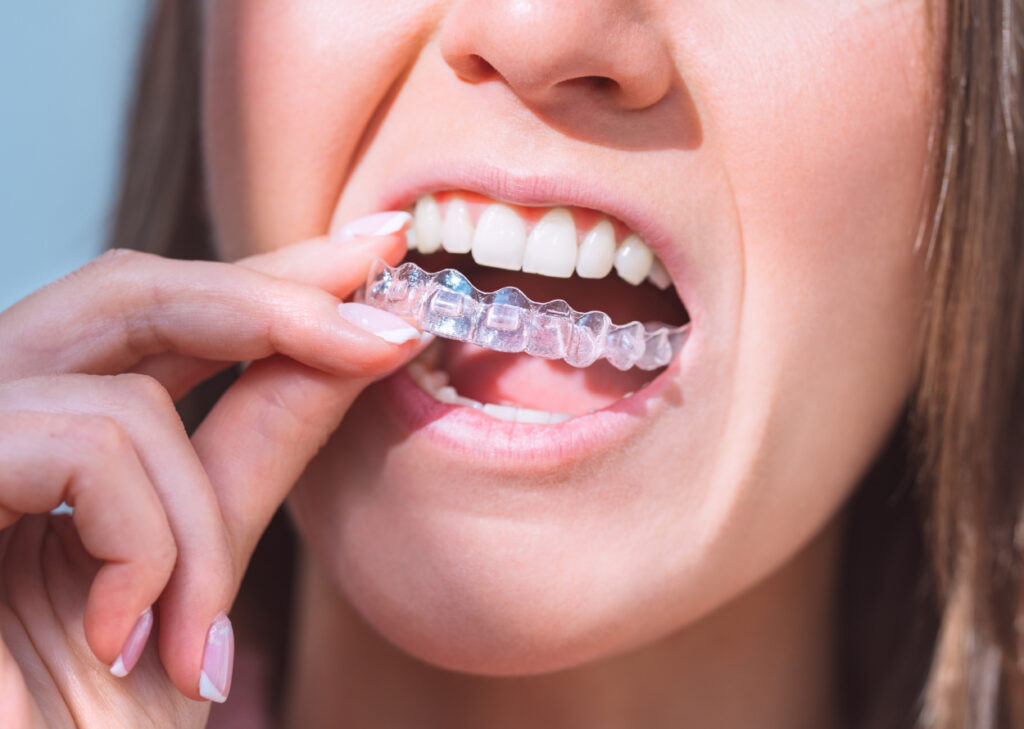
A polished appearance often comes down to details. Tailored clothing helps. Good posture helps. Clear communication helps. So does a smile that looks healthy, balanced, and natural. For many adults, though, the idea of straightening teeth still carries baggage from the teenage years. Metal brackets, food restrictions, visible wires, and frequent emergency visits do not fit neatly into a demanding work schedule or a client-facing role.
That is Invisalign Calabasas CA exactly why so many adults ask about Invisalign Calabasas CA. They are not simply looking for straighter teeth. They want a treatment that respects their age, their profession, and the way they move through the day. They want something discreet enough for meetings, social events, photos, and conversations at close range. Just as important, they want a treatment plan that feels realistic, not idealized.
Adult orthodontic treatment has changed substantially over the past two decades. Clear aligners have made it possible to address many common alignment concerns without changing the way a person presents themselves at work. But there is a difference between hearing that aligners are “invisible” and understanding what the experience is actually like for a busy adult in Calabasas. The right expectation makes all the difference.
Why adults in professional settings often choose aligners
Adults tend to approach orthodontics with a different mindset than teenagers. They are usually paying for treatment themselves. They have a strong sense of how they want to look. They are balancing calendars filled with work commitments, family obligations, travel, and social events. Their threshold for inconvenience is lower, and their standards are often higher.
In professional settings, visibility matters. A sales executive speaking in boardrooms, a real estate agent meeting clients, a therapist working face to face, or a business owner appearing in videos may all feel hesitant about traditional braces. Even when colleagues are understanding, the wearer may feel self-conscious. That alone can affect confidence, which is often the very thing they are hoping to strengthen.
Clear aligners solve part of that problem by reducing visual distraction. Most people standing a few feet away will not notice them unless they are specifically looking. Up close, they are still visible, especially under certain lighting, but the look is subtle enough that many adults feel comfortable wearing them without explanation. For professionals, that difference matters.
There is also a practical side. Aligners are removable, which means adults can take them out briefly for meals, coffee if they prefer, and important appearances. That flexibility does not mean treatment is casual. It still requires discipline. But compared with brackets and wires, the day-to-day experience is often much easier to manage.
The appeal of a professional look goes beyond vanity
Adults sometimes apologize when they talk about wanting straighter teeth. They frame it as a cosmetic wish, as if that makes it less legitimate. In practice, appearance and function are deeply connected. Teeth that are crowded can be harder to clean thoroughly. Teeth that meet unevenly can create wear patterns. A bite that feels “off” may not cause severe pain, but it can still contribute to tension, chipping, or gum irritation over time.
Professional image plays a role too, and that should not be dismissed. A person who feels distracted by their smile may speak less freely, smile with a closed mouth, or avoid being photographed. Those habits can shape how they are perceived, but more importantly, how they perceive themselves. Adults who complete orthodontic treatment often describe a change that is hard to quantify. They stop thinking about their teeth every time they walk into a room.
That is not superficial. It is relief.
What Invisalign can realistically treat for adults
One of the most common misconceptions is that clear aligners only work for very minor spacing issues. That used to be closer to the truth. Today, Invisalign can address a wide range of concerns, depending on case complexity and the skill of the provider planning the treatment.
Adults often come in with crowding in the lower front teeth, spacing after past dental work, a deep bite, mild to moderate overbite issues, or relapse from childhood braces. Relapse is especially common. Many adults wore braces years ago, skipped their retainers, and noticed gradual shifting in their thirties or forties. They do not necessarily need a dramatic overhaul. They want to correct what moved and protect their long-term dental health.
That said, not every case is ideal for aligners. Some significant bite discrepancies, severe rotations, certain jaw alignment issues, or cases involving extractions may call for a different approach or a hybrid plan. An honest consultation matters more than marketing. If a provider promises that every case can be handled easily with trays alone, that should raise questions.
The best adult treatment plans start with precision. Digital scans, photographs, bite analysis, and a close review of existing crowns, veneers, implants, gum health, and bone support all matter. Adult mouths are not blank slates. They often include past dental history that changes what is possible and what is wise.
What treatment actually feels like for a working adult
Most adults adapt quickly to wearing aligners, but the first week is rarely effortless. Speech may feel slightly off for a few days, especially with sounds like “s” or “sh.” Saliva production can increase at first. There is pressure when switching to a new set of trays, which is normal and usually a sign the teeth are moving. It is more accurate to describe the sensation as tightness than pain, though some trays are more noticeable than others.
The daily routine is where success is won or lost. Aligners need to be worn roughly 20 to 22 hours a day for predictable movement. For adults with structured workdays, this is often easier than expected. Breakfast, lunch, dinner, and oral hygiene already create natural windows for removal. The challenge tends to come from grazing, multiple coffee breaks, frequent business dinners, or travel across time zones.
Professionals who do best with Invisalign often settle into a simple rhythm. They eat efficiently, rinse if they cannot brush immediately, and get the aligners back in quickly. They keep a travel toothbrush in a bag, briefcase, or car. They stop treating the trays like an optional accessory and start treating them like part of the schedule.
There are small annoyances. If you sip coffee with aligners in, staining becomes more likely. If you snack constantly, you may find the repeated removal tedious. If you attend long networking events with passed appetizers and drinks, you have to make choices. These are manageable issues, but they are real. Adults appreciate hearing the truth about that up front.
The Calabasas factor: lifestyle, visibility, and expectations
Choosing Invisalign Calabasas CA is often about more than location. It reflects a certain lifestyle. Many adults in the area work in industries where image matters, whether they are in law, healthcare, entertainment, wellness, entrepreneurship, or real estate. They want treatment that fits into a polished daily presentation, and they often expect efficiency from the process.
That expectation can be an advantage. Adults who value professionalism tend to be strong candidates because they understand consistency. They show up to appointments. They follow instructions. They notice details. Those habits help treatment stay on track.
At the same time, high expectations can create frustration if they are not grounded in biology. Teeth do not move instantly because someone has an important event in six weeks. Gum tissue does not remodel on a deadline. A digital simulation can be helpful, but it is still a plan, not a guarantee. Some teeth move beautifully. Others need refinement. Adults who understand this from the beginning tend to feel more satisfied because they recognize that good orthodontics is controlled, not rushed.
Why provider experience matters more for adults
Aligners may look simple from the outside, but adult cases require judgment. This becomes especially important when there is existing dental work. Crowns do not move the same way natural enamel surfaces behave during attachment bonding. Veneers require care. Implants do not move at all, which changes how teeth around them can be repositioned. Recession, bone loss, clenching habits, and old wear patterns all need to be considered before treatment begins.
An experienced provider does not just ask, “Can I straighten these teeth?” They ask, “What happens to the bite when I do?” and “Will this remain stable?” and “How will this interact with the patient’s restorations and gum health?” Those are adult questions, and they deserve adult answers.
A strong consultation usually includes a frank discussion of trade-offs. In some cases, the best cosmetic result may require enamel reshaping between certain teeth, called interproximal reduction, to create proper space. In others, attachments, those small tooth-colored bumps that help the trays grip the teeth, may be necessary and slightly more visible than patients expect. Sometimes a case can be improved significantly, but not perfected, without more invasive options. Honest treatment planning earns trust.
The details adults care about, and should ask about
There are practical questions that rarely appear in advertising but matter deeply in real life. How often are visits needed? Are virtual check-ins possible for some stages? What happens if a tray cracks before an international trip? How many refinement trays are included? Will whitening wait until the end? What type of retainer is recommended after treatment, and how strict is the retention phase?
These details shape the experience as much as the aligners themselves. A provider who works regularly with adult professionals usually understands that scheduling flexibility is not a luxury, it is part of treatment success. Evening availability, efficient appointments, reliable communication, and organized follow-up can make a noticeable difference over the course of several months.
It is also worth asking whether the proposed timeline is typical or optimistic. Many mild cases may finish within six to twelve months. More involved cases can take longer, sometimes well beyond a year when refinements are included. Refinements are not necessarily a sign something went wrong. They are often part of getting an excellent result rather than accepting an early, merely decent one.
Common concerns from adults considering treatment
Adults rarely ask only one question. They tend to arrive with a cluster of concerns, some practical and some emotional. The concerns below come up often, and they deserve direct answers.
- Will people notice? Usually far less than they would notice braces, though attachments can make some teeth look slightly different up close.
- Does it hurt? Most adults describe pressure and temporary soreness, especially for a day or two after switching trays.
- Is it worth doing later in life? In many cases, yes, especially when crowding, wear, or bite problems are worsening with time.
- What if I had braces before? That is common, and relapse cases are often very suitable for aligner treatment.
- Will I need retainers forever? Long-term retention is essential if you want teeth to stay where they were moved.
That last point deserves emphasis. Teeth continue to shift throughout life. Orthodontic treatment does not freeze them permanently. Adults who spent time and money correcting alignment should expect to wear retainers as directed, often nightly over the long term. This is not a sales tactic. It is simple reality.
Invisalign and confidence at work
One of the most consistent things adults report after starting treatment is that they stop dreading close conversation. A manager leading presentations, for example, may initially worry that aligners will be distracting. Then a few weeks pass, speech normalizes, and the trays become part of the routine. Often the bigger emotional shift happens months later, when the person notices they are smiling more freely in meetings or not angling their head away in photos.
I have seen adults fixate on one front tooth that slightly overlaps another, only to discover during treatment that the real issue was not just that tooth. It was the cumulative effect of years spent managing around it. Avoiding candid photos. Smiling tightly. Covering the mouth when laughing. Those behaviors can become so automatic that people barely notice them until they are gone.
A professional look is not only about how others see you. It is about how naturally you occupy your own face.
Cost, value, and what adults should weigh carefully
Cost matters, and adults are right to evaluate it closely. Invisalign fees vary based on complexity, treatment length, geography, and what is included. A very minor case may cost less than a comprehensive one, but “cheaper” is not always better if the plan leaves bite issues unresolved or leads to avoidable refinements later.
What adults should look for is clarity. Does the fee include records, trays, refinement trays, attachments, and retainers? Are there additional costs if treatment takes longer than expected? Is insurance available to offset part of the expense? Can health savings or flexible spending funds be used?
It also helps to think beyond the initial number. A treatment that fits cleanly into a professional life may carry more practical value than a seemingly lower-cost option that causes frequent disruption, uncertainty, or disappointment. That is particularly true for adults who interact with clients, appear on camera, or simply do not want orthodontic treatment to become a running topic in their workplace.
Not every adult is an ideal candidate, and that is useful to know
There is a tendency in cosmetic dentistry marketing to imply that motivation alone guarantees success. It does not. Some adults travel constantly and struggle with routines. Others drink coffee all day, snack frequently, or know they are unlikely to wear trays consistently. Some have untreated gum disease, active decay, or significant clenching that should be addressed before orthodontics begins.
This does not mean treatment is off the table forever. It means the timing and strategy should be right. Sometimes the best first step is periodontal care, restorative work, or simply waiting until a season of life is less chaotic. Good providers do not push patients forward just because they are interested. They look for the conditions that support a stable outcome.
That honesty can be disappointing in the moment, but it often prevents regret later.
A sensible way to evaluate a provider in Calabasas
Adults seeking Invisalign Calabasas CA usually benefit from approaching the consultation the same way they would evaluate any important professional service. Presentation matters, but specifics matter more. Look for careful examination, plainspoken explanations, and treatment planning that feels individualized rather than scripted.
A useful consultation should leave you with answers to these points:
- whether your case is straightforward, moderate, or complex
- the estimated timeline, including the possibility of refinements
- what visible attachments or enamel reshaping may be needed
- how existing dental work could affect treatment
- what retention will require after the active phase ends
If those answers are vague, keep looking. Adults do well when they feel informed, not sold to.
The result most adults are really after
Very few adults are chasing a perfectly uniform, artificial smile. Most want something subtler and more sophisticated. They want teeth that look healthy, even, and believable. They want their smile to harmonize with the rest of their face, not dominate it. They want to look polished without looking altered.
That is one reason aligner treatment appeals to adults. It can be highly effective while still feeling low-profile throughout the process. When planned well, it supports a professional image rather than interrupting it. The best outcomes are rarely flashy. They simply look right.
For adults considering Invisalign Calabasas CA, the real question is not whether clear aligners are fashionable or convenient. It is whether the treatment fits your habits, your goals, and the standard you expect from your own appearance. If it does, the experience can be remarkably worthwhile. Not because it changes who you are, but because it removes one more thing that has been getting in the way of showing up as yourself.
Oaks Dental
5000 Parkway Calabasas, Suite 308
Calabasas, CA 91302
(818) 643-6521
FAQ About Invisalign Calabasas CA
How many hours a day should I wear Invisalign?
Clear aligners are typically worn for 20 to 22 hours a day. Follow your dentist’s instructions for your specific treatment plan.
What age is best for Invisalign?
Many teens and adults can use clear aligners. A dentist can assess dental development, oral health, and the type of tooth movement needed.
What affects the cost of Invisalign in California?
Cost depends on the complexity and length of treatment and what the quoted plan includes. Ask for an itemized estimate and check any orthodontic coverage with your insurer.